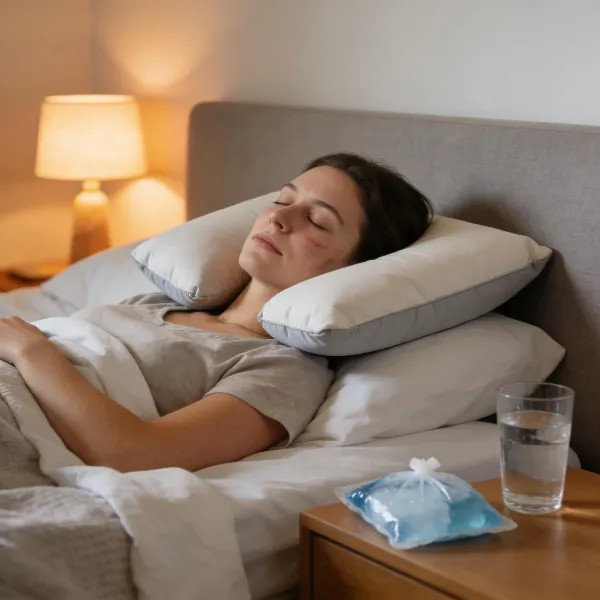
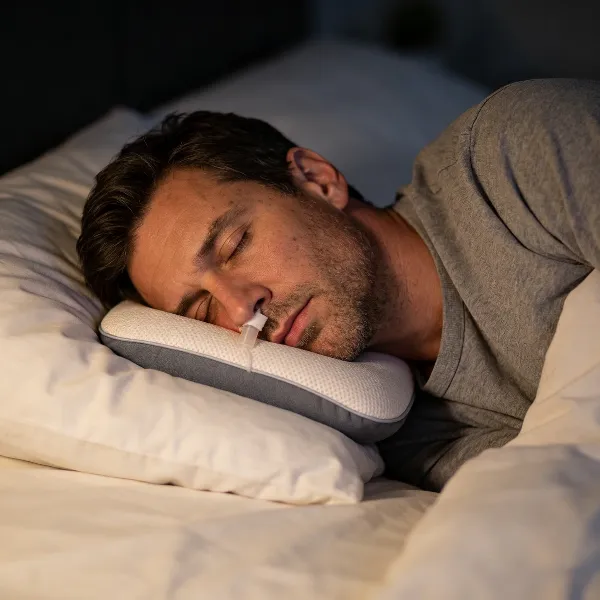
Falling asleep quickly can feel impossible, especially when your mind races with thoughts. But what if you could fall asleep in 10 seconds? It’s actually possible with the right relaxation techniques. Whether you’re dealing with a busy schedule, a stressful day, or just need a quick way to fall asleep, the methods in this guide will help you drift off faster.
We'll explore proven techniques like the military method, the 4-7-8 breathing technique, and sleep hygiene tips that can improve your rest. Let’s dive into how you can fall asleep faster tonight.
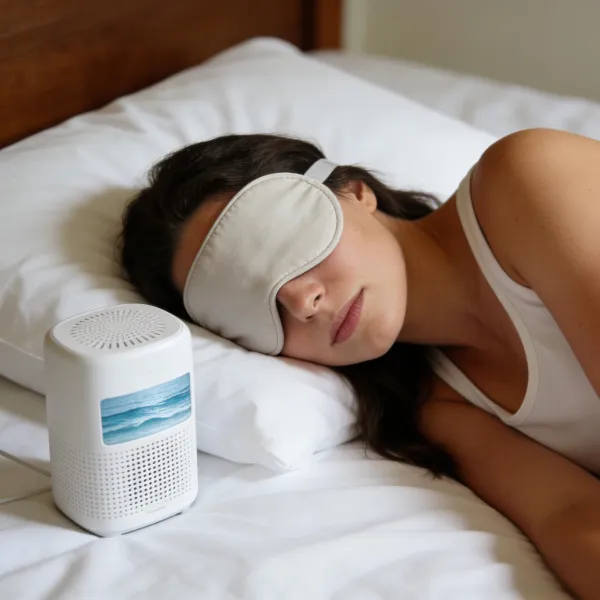
Can You Really Fall Asleep in 10 Seconds?
The idea of falling asleep in 10 seconds might sound like a dream, but it’s totally possible with the right strategies. The trick is learning how to relax your body and quiet your mind in a way that helps you enter sleep mode quickly. People often struggle to fall asleep because of stress, anxiety, or poor sleep habits. However, with some practice, you can train your body to calm down fast, making it easier to fall asleep quickly. Let's take a closer look at techniques that can help you fall asleep in no time.
Signs That You Might Be Sleep-Deprived
Before jumping into ways to sleep faster, it’s important to recognize if sleep deprivation is affecting your ability to fall asleep. If you’re not getting enough quality sleep, your body may have trouble relaxing when it’s time to rest. Here are some common signs that you might be sleep-deprived:
- Feeling exhausted during the day, even after a full night’s sleep
- Trouble concentrating or focusing
- Irritability or feeling on edge
- Memory issues and forgetfulness
- Increased cravings for sugar or caffeine
- Yawning frequently or feeling sleepy throughout the day
If you’re noticing these signs, it’s time to focus on improving your sleep habits. The techniques shared here will not only help you fall asleep in 10 seconds but will also improve the quality of your rest, reducing sleep deprivation over time.
The Military Method: Your Secret to Falling Asleep Fast
If you’re looking for a quick way to fall asleep, the military method is one of the best-kept secrets. This technique was originally designed for soldiers to help them sleep quickly, even in stressful situations. By following a specific sequence of steps, you can relax your body and mind, making it much easier to fall asleep in no time.
Step-by-Step Guide to the Military Method
Here’s a simple breakdown of the military method that can help you relax and drift off fast:
- Relax your face and shouldersBegin by releasing any tension in your face. Relax your jaw and let your face muscles soften. Drop your shoulders and let go of any tightness around your neck.
- Relax your chest and legsNext, relax your chest by breathing deeply and letting go of any tightness. Then, focus on relaxing your legs. Start at your thighs and work down to your feet, imagining them getting heavier as you relax.
- Clear your mind with imagery or the mantra "Don't think"Clearing your mind is essential to falling asleep quickly. You can either picture a calming scene in your mind, like floating in a calm lake or lying on a peaceful beach. Alternatively, use a mental mantra like “Don’t think” to push distracting thoughts out of your mind.
- Focus on slow, deep breathing (4-7-8 technique)To deepen your relaxation, use deep, slow breathing. Inhale deeply for 4 seconds, hold your breath for 7 seconds, and exhale slowly for 8 seconds. This method calms your nervous system, helping you relax and fall asleep faster.
With practice, the military method can become a quick and easy way to fall asleep, no matter where you are or how stressed you might be.

4-7-8 Breathing: Calm Your Nervous System for Faster Sleep
Another powerful method to help you fall asleep in 10 seconds is the 4-7-8 breathing technique. This simple but effective technique helps calm your nervous system, making it easier for you to relax and fall asleep quickly.
How to Use the 4-7-8 Breathing Technique
Here’s how to practice the 4-7-8 breathing technique step by step:
- Position your tonguePlace the tip of your tongue against the roof of your mouth, just behind your upper front teeth. Keep your tongue there for the entire exercise.
- Exhale with a "whoosh" soundExhale completely through your mouth, making a whooshing sound as you release the air. This helps clear your mind and prepare your body for relaxation.
- Inhale for 4 seconds, hold for 7, and exhale for 8Inhale through your nose for a count of 4 seconds, hold your breath for 7 seconds, and then exhale completely through your mouth for 8 seconds. This breathing pattern slows your heart rate and promotes relaxation.
By incorporating the 4-7-8 technique into your bedtime routine, you’ll help signal your body to relax and ease into sleep much faster.

Improving Your Sleep Hygiene for Faster Sleep
While techniques like the military method and 4-7-8 breathing can help you fall asleep in 10 seconds, improving your overall sleep hygiene is crucial for long-term sleep success. Sleep hygiene refers to habits and practices that create the perfect environment for rest. When you follow good sleep hygiene, you’re more likely to fall asleep quickly and stay asleep through the night.
Key Sleep Hygiene Tips
Here are some simple habits to improve your sleep hygiene:
- Stick to a consistent sleep scheduleGo to bed and wake up at the same time every day, even on weekends. This helps regulate your body’s internal clock and makes it easier to fall asleep quickly.
- Create a sleep-friendly environmentKeep your bedroom cool, dark, and quiet. Make sure your mattress and pillow are comfortable. The better your sleep environment, the easier it will be to fall asleep.
- Limit screen time before bedAvoid screens at least an hour before bedtime. The blue light emitted from your phone, computer, or TV can interfere with melatonin production, making it harder to fall asleep.
- Establish a relaxing bedtime routineWind down before bed with calming activities like reading, taking a warm bath, or listening to soothing music. This helps signal to your brain that it’s time to sleep.
What to Avoid Before Bedtime
Some habits can make falling asleep harder. Here’s what you should avoid:
- Caffeine and nicotineBoth are stimulants that can keep you awake. Avoid them for at least 4–6 hours before bed.
- Heavy mealsLarge meals, especially spicy or greasy foods, can cause indigestion and disturb your sleep. Opt for a light snack if you're hungry before bed.
- AlcoholWhile alcohol may help you fall asleep initially, it can disrupt your sleep later in the night. It’s best to limit alcohol consumption before bed.
Improving your sleep hygiene can make falling asleep quicker and easier, not just for one night, but every night.
Conclusion
Falling asleep in 10 seconds is achievable, especially if you practice the right techniques. Whether you use the military method, the 4-7-8 breathing technique, or focus on improving your sleep hygiene, you can train your body and mind to relax faster. These simple and natural methods help you wind down, fall asleep quickly, and enjoy a deeper sleep. Over time, you’ll notice improved rest and more energy during the day.
If you find yourself tossing and turning, try these techniques and see how quickly you can get some rest. For more tips on getting better sleep, check out our article on how to sleep with a stuffy nose, which can help you rest even when you're under the weather.