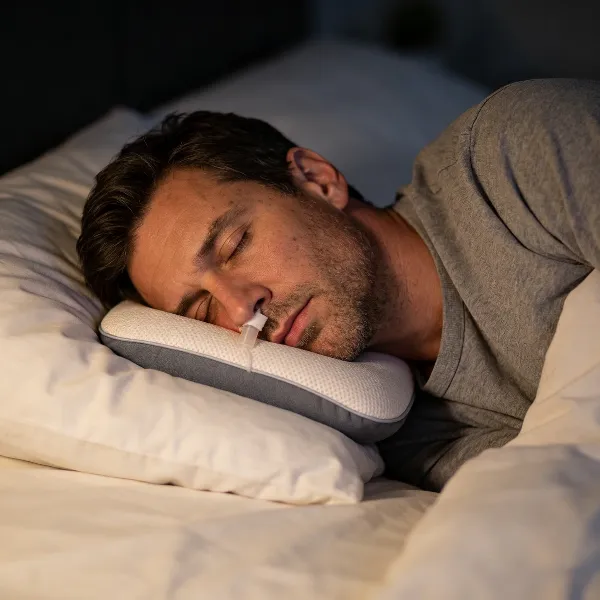
Getting quality rest after wisdom teeth removal is one of the most important steps in your recovery. But, with the pain, swelling, and other discomforts, sleep can be a challenge in the first few days. Fortunately, there are ways to make it easier on yourself and ensure that you're doing everything you can to heal quickly.
This guide will walk you through how to sleep after wisdom teeth removal, offering tips and tricks to help you sleep better, minimize swelling, and make the entire recovery process more manageable.

Elevate Your Head for Reduced Swelling
One of the best things you can do to reduce swelling and ease your discomfort is to keep your head elevated while you sleep. Elevating your head helps prevent blood from collecting in the area of your extractions, which reduces swelling and makes the whole process feel a lot more comfortable.
To do this, you can use extra pillows or sleep in a recliner. Some people find that using a wedge pillow works wonders, but regular pillows stacked up high can also do the trick. Just make sure you’re not elevating your head too much—comfort is key here.

Stick to Sleeping on Your Back
When it comes to how to sleep after wisdom teeth removal, one of the most important things to remember is to sleep on your back. Sleeping in any other position, especially on your side or stomach, can cause pressure on the extraction sites, leading to more pain and increased swelling.
Benefits of sleeping on your back:
- Keeps pressure off the healing area
- Minimizes swelling in your face and gums
- Reduces the risk of disturbing blood clots that are necessary for healing
To make back sleeping easier, you can place pillows on either side of you to prevent rolling over during the night.

Avoid Sleeping on Your Side or Stomach
As tempting as it might be to sleep in your usual position, it's important to avoid sleeping on your side or stomach in the first few days after your surgery. When you sleep on your side, the weight of your head can put too much pressure on the extraction area, which could lead to more swelling and pain. The same goes for stomach sleeping.
If you’re wondering when you can sleep on your side after tooth extraction, it's best to wait at least a few days until the swelling has gone down and your healing process is underway. By sticking to back sleeping for the first couple of nights, you’ll help ensure a quicker, smoother recovery.

Use Ice Packs Before Bed
Ice packs are one of the best ways to reduce swelling and ease pain after wisdom teeth removal. Applying an ice pack before bed can make it much easier to relax and fall asleep. Ice helps numb the area, reduce inflammation, and give you some much-needed relief.
Here’s how to use ice packs effectively:
- Wrap an ice pack in a cloth or towel (never apply directly to your skin).
- Apply the ice for 15–20 minutes, then take a break before reapplying.
- Repeat as needed, especially in the first 48 hours after surgery.
This simple step can help you rest more comfortably and avoid excessive pain or swelling as you sleep.

Take Pain Medication as Prescribed
Taking your pain medication exactly as prescribed is crucial for managing discomfort and ensuring that you can sleep well after wisdom teeth removal. Pain medication helps keep the pain under control and reduces swelling, making it easier for you to rest.
Timing is everything when it comes to pain medication. Rather than waiting until the pain becomes unbearable, take your medication at the prescribed intervals. This proactive approach will help keep your pain at bay and allow you to sleep more soundly through the night.
Manage Gauze Use During Sleep
In the immediate hours after your surgery, your oral surgeon may recommend using gauze to control bleeding. It's important to follow their advice, but you also need to know when and how to manage gauze during the night.
Should I sleep with gauze after tooth extraction?
- Generally, you won’t need to sleep with gauze after the first few hours, but if you’re still bleeding, place a clean piece of gauze over the extraction sites.
- Make sure to replace the gauze when it becomes saturated, as keeping it clean will support the healing process.
Gauze should only be used temporarily. Don’t bite down too hard on it while you sleep to avoid any discomfort or disturbing the blood clots necessary for healing.
Combat Dry Mouth with a Humidifier
A dry mouth is a common issue after wisdom teeth removal. If you’re experiencing discomfort due to dry mouth, using a humidifier can help. The humidifier adds moisture to the air, keeping your mouth from feeling parched and uncomfortable.
Just place the humidifier near your bed, but not too close, to avoid moisture directly landing on your face. If you don’t have a humidifier, sipping water throughout the night can also help keep your mouth hydrated.
What to Avoid When Trying to Sleep After Wisdom Teeth Removal
While it’s important to follow the right steps for comfort, it’s equally essential to avoid doing things that could hinder your recovery.
Lying Flat: Why It’s Best to Avoid
Lying flat on your back, with no elevation, can increase swelling and discomfort. This position allows blood to pool in the extraction area, which can make it harder for you to heal and cause you to feel more pain. Elevating your head will prevent this, making it easier to sleep and recover.
Engaging in Strenuous Activity Before Bed
Avoid intense physical activity or heavy lifting, especially in the hours leading up to bedtime. Strenuous activity increases blood flow and can lead to more swelling, making it more difficult for you to sleep and prolonging recovery time.
Using Straws or Spitting Forcefully
For the first few days, avoid using straws and refrain from spitting forcefully. These actions can create a vacuum-like pressure in your mouth, which could dislodge the blood clot and lead to a painful condition known as dry socket.
Eating Before Bed
Avoid eating right before bedtime. Food particles can get stuck in your extraction sites and introduce bacteria, potentially leading to infection. Stick to soft foods as directed by your surgeon, and follow your dietary restrictions during the healing process.
Conclusion
Learning how to sleep after wisdom teeth removal can make a huge difference in your recovery. By elevating your head, sticking to back sleeping, and using ice packs, you can minimize swelling and discomfort. Taking your medication as prescribed, managing gauze use, and avoiding certain activities will help you sleep better and heal faster.
Remember to be patient with your body—it takes time to heal, but with the right rest and care, you’ll be back to your normal self in no time.