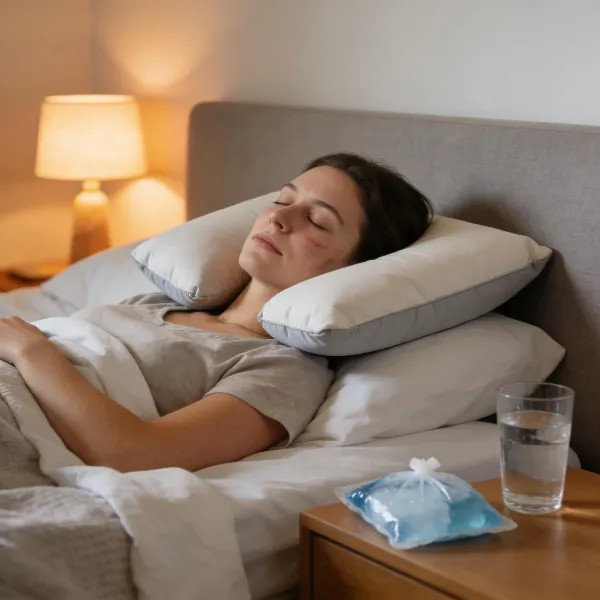
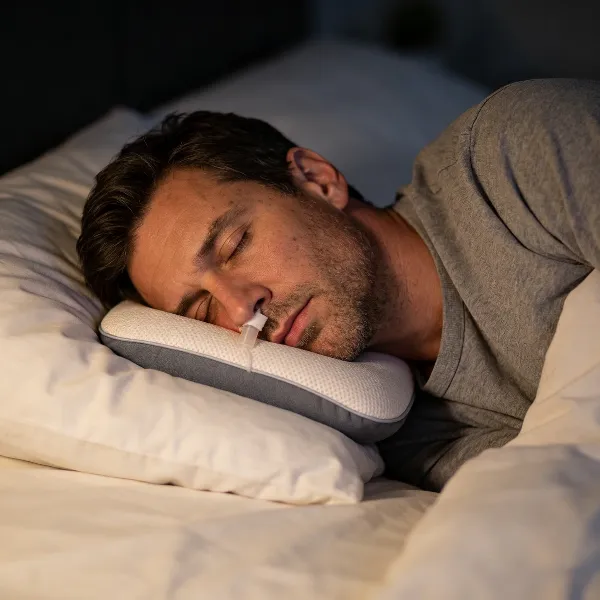
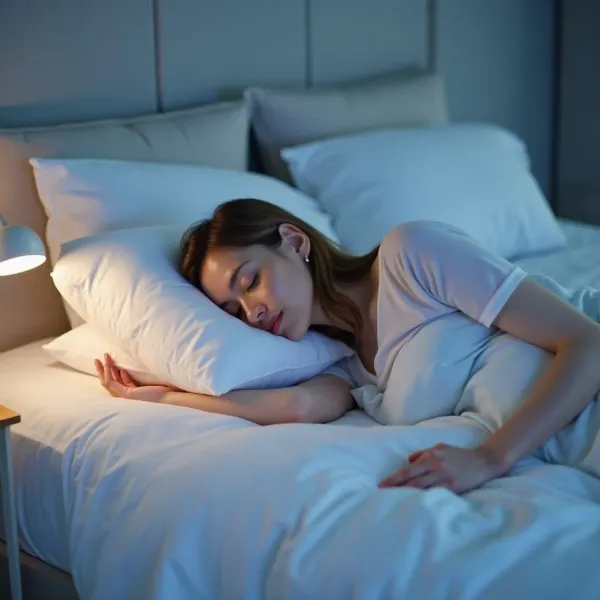
Waking up with drool on your pillow can be frustrating, embarrassing, and uncomfortable. It’s something many people experience, but fortunately, it’s usually nothing to be overly concerned about.
If you’ve been wondering how to stop drooling while sleeping, you’re in the right place. In this article, we’ll walk you through why it happens, offer tips to stop drooling in your sleep, and explain when it might be time to see a doctor.
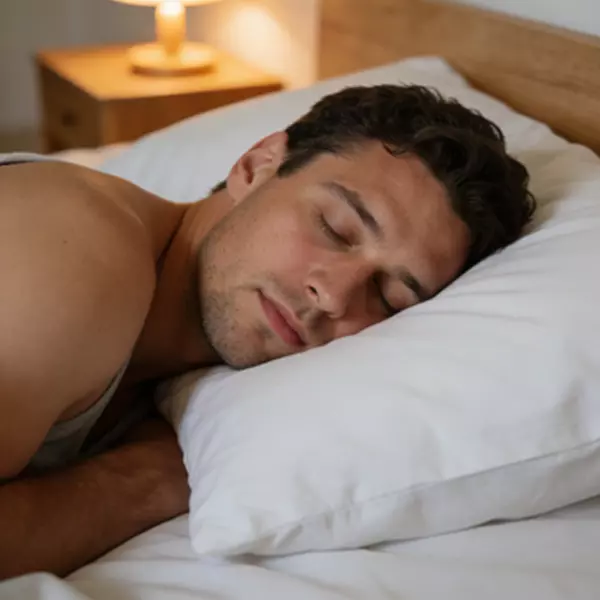
Why Do I Drool When I Sleep?
To solve the problem of drooling while sleeping, it helps to understand what causes it. Drooling can occur for a variety of reasons, some of which are more common than others. Let’s take a look at some of the main causes.
Sleeping Position
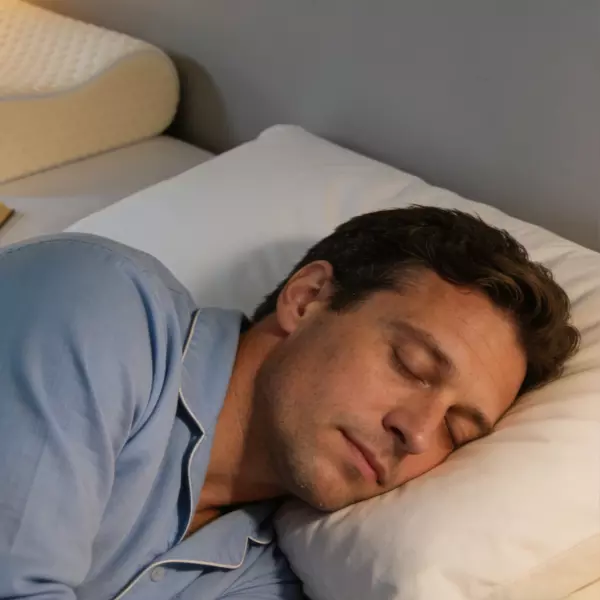
Your sleeping position plays a big role in whether or not you drool. When you sleep on your back, your mouth stays more likely to stay closed, which reduces the chances of drooling. But if you sleep on your side or stomach, your mouth may open, causing saliva to escape. This is one of the most common causes of drooling at night.
Deep Sleep
You may also drool more when you're in deep sleep stages, especially during REM (Rapid Eye Movement) sleep. During these stages, your muscles, including those that control swallowing and saliva, are more relaxed, which can cause saliva to pool and spill out of your mouth.
Nasal Congestion or Mouth Breathing
When you're dealing with nasal congestion from a cold or allergies, you might breathe through your mouth while you sleep. This can lead to a dry mouth, triggering your body to produce more saliva. As a result, you may find yourself drooling in your sleep.
Excess Saliva Production
Some people naturally produce more saliva than others. This condition is called hypersalivation, and it can occur for many reasons, such as pregnancy, medication side effects, or certain health conditions. If you’re producing more saliva than usual, it may contribute to drooling at night.
Dental or Oral Issues
Dental problems like misaligned teeth, an ill-fitting mouthguard, or gum infections can make it harder to keep your mouth closed while sleeping. If your mouth is open, saliva may spill out, causing drooling.
Neurological Causes (Less Common)
In rare cases, drooling during sleep can be linked to neurological conditions like Parkinson’s disease or a stroke. These conditions can affect the muscles responsible for swallowing and saliva control, leading to excessive drooling. However, these cases are less common and are usually accompanied by other symptoms.

How to Stop Drooling in Your Sleep: Effective Solutions
If you’re looking to stop drooling while sleeping, there are several simple adjustments you can make. Let’s explore some effective solutions that might work for you.
Change Your Sleep Position
One of the easiest ways to stop drooling in your sleep is by changing your sleeping position. Try sleeping on your back instead of your side or stomach. This simple shift can help prevent your mouth from falling open and reduce the chances of drooling.
Use Specialized Pillows to Encourage Back Sleeping
If you struggle to stay on your back during the night, consider using a pillow designed to help maintain this position. These specialized pillows offer extra neck and head support, making it easier to stay on your back and keep your mouth closed while you sleep.
Address Nasal Congestion and Breathing Issues
If you’re drooling due to nasal congestion or mouth breathing, try to tackle the root cause. Use saline nasal sprays, allergy medications, or a humidifier to help clear your nasal passages and promote better breathing. This can help you breathe through your nose, which can reduce the need for mouth breathing and excess saliva production.
Stay Hydrated for Better Saliva Consistency
Dehydration can make your saliva thicker and stickier, which increases the likelihood of drooling. Make sure you're drinking plenty of water throughout the day to stay hydrated. But, try to avoid drinking too much right before bed to avoid excess saliva production during the night.
Adjust Food & Drink Before Bed
Certain foods and drinks can stimulate your saliva production. For instance, acidic or spicy foods, caffeine, and alcohol can all increase saliva production. Try to avoid consuming these foods and drinks in the hours leading up to bedtime. This can help minimize the chances of drooling while you sleep.
Manage Acid Reflux (GERD)
Acid reflux, or GERD, can contribute to drooling during sleep. When stomach acid travels into the esophagus, it can irritate your throat and cause excessive saliva production. If you frequently experience heartburn or acid reflux symptoms at night, it’s worth consulting a doctor to manage the condition.
Check Dental Appliances
If you use dental appliances like retainers, night guards, or dentures, check to ensure they fit properly. Poorly fitting appliances can cause your mouth to stay open during sleep, leading to drooling. Consult with your dentist to adjust the fit and ensure your dental appliances are comfortable and functional.
Jaw & Lip Muscle Support
If your jaw muscles are too relaxed at night, they might not hold your mouth closed properly, which leads to drooling. Strengthening the muscles around your jaw and lips with exercises can help support better control over your mouth during sleep. This can make it less likely for saliva to escape.
Professional Treatments for Drooling During Sleep
If home remedies aren’t enough, there are several professional treatments you can try. These treatments may be especially helpful if your drooling is severe or persistent.
Speech Therapy: Strengthening Jaw and Tongue Muscles
Speech therapy can help strengthen the muscles in your jaw and tongue, which play a key role in swallowing and controlling saliva. A speech therapist can guide you through specific exercises designed to improve muscle strength and coordination, which could help reduce drooling.
Oral Appliances: Devices to Help Keep the Mouth Closed
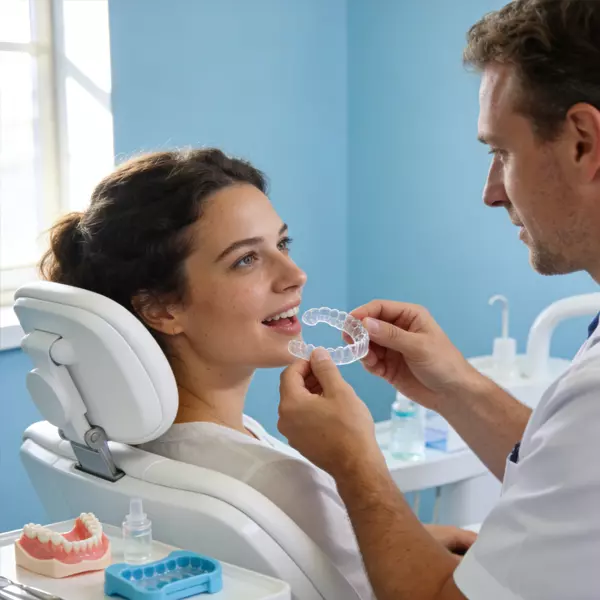
Your dentist may recommend an oral appliance, such as a mandibular advancement device or a night guard. These devices can help keep your mouth closed during sleep, preventing drooling. They’re custom-made to fit your mouth comfortably, so you don’t have to worry about them being intrusive.
Medications: Reducing Saliva Production
In some cases, medications can help reduce the amount of saliva your body produces. Medications such as anticholinergics are often prescribed to decrease saliva production, making it less likely for saliva to spill out while you sleep.
Botox Injections: Temporarily Blocking Salivary Glands
Botox injections can be used to temporarily block the salivary glands and reduce saliva production. This is typically a treatment for severe drooling cases that haven’t responded to other methods. Keep in mind that Botox injections need to be repeated every few months for continued effectiveness.
Sleep Apnea Treatment: The Link Between Apnea and Drooling
If you have sleep apnea, this may be contributing to your drooling. Sleep apnea is a disorder where your breathing repeatedly stops and starts during sleep. It often leads to mouth breathing, which can cause drooling. If you have sleep apnea, treating it with a CPAP machine or other methods may help reduce drooling and improve your sleep quality.
When to See a Doctor About Drooling While Sleeping
While occasional drooling is usually harmless, there are times when it’s best to consult a doctor. If you notice other symptoms along with drooling, or if the drooling persists despite trying various solutions, it’s time to seek medical advice.
Warning Signs That Require Professional Help
If you experience difficulty swallowing, muscle weakness, or other neurological symptoms in addition to drooling, it’s important to see a doctor. These could be signs of an underlying medical condition that needs professional treatment.
How a Doctor Can Help Identify the Cause and Recommend Treatment
A doctor will assess your symptoms and may perform tests to determine the cause of your drooling. Depending on the diagnosis, they may recommend treatments ranging from lifestyle changes to medications or even surgical interventions. A proper diagnosis will ensure that you receive the most effective treatment for your condition.

Conclusion
Drooling while sleeping can be annoying, but it’s usually something you can manage with the right changes to your routine. By understanding the causes and applying some simple tips, like changing your sleeping position or addressing nasal congestion, you can reduce or stop drooling altogether. If your drooling persists despite your efforts, it might be time to consult a healthcare provider to rule out underlying conditions. Remember, a little effort can go a long way in improving your sleep and comfort.
If you’re looking for more tips on improving your sleep quality, check out how to fall asleep in 10 seconds.